Template Literals C++
// literal operator template you can use raw literals to provide a. There are six major categories of literals in c++: This is a reference of the core c++ language constructs. A function template starts with the keyword template followed by template parameter(s) inside <> which is followed by the function definition. Template t functionname(t parameter1, t parameter2,.) { // code } in the above code, t is a template argument that accepts different data types (int, float, etc.), and typename is a keyword.
Template Literals C++ - Instead of ‘’ or “” quotation marks they use the backticks (``). (c++14) class member template template argument deduction class template argument deduction. Template t functionname(t parameter1, t parameter2,.) { // code } in the above code, t is a template argument that accepts different data types (int, float, etc.), and typename is a keyword. Template were introduced in es6 to allow embed expressions inside a string. Experimental work is also under way to implement c++ technical specifications that will help drive the future of the c++ programming language. They offer a much better way of string interpolation and expressions can be embedded in a way like ${a+b}. This is a reference of the core c++ language constructs. The suffixes that do not begin with the underscore are reserved for the literal operators provided by the standard library.: Starting in c++ 11, you can define your own literals based on these categories, to provide syntactic shortcuts for common idioms and increase type safety. There are six major categories of literals in c++:
Template Literals C++ Gallery

What's New in ReSharper C++
// literal operator template you can use raw literals to provide a. They offer a.

Convert JavaScript ES6+ to ES5 using Babel Code by Amir Amir Boroumand
Template were introduced in es6 to allow embed expressions inside a string. The clang community.

What's New in C++ Support in Qt Creator 4.15 Dev C++ Qt
A function template starts with the keyword template followed by template parameter(s) inside <> which.

c++ c plus plus coaching classes in allahabad uttar pradesh, c++ c plus
Template t functionname(t parameter1, t parameter2,.) { // code } in the above code, t.
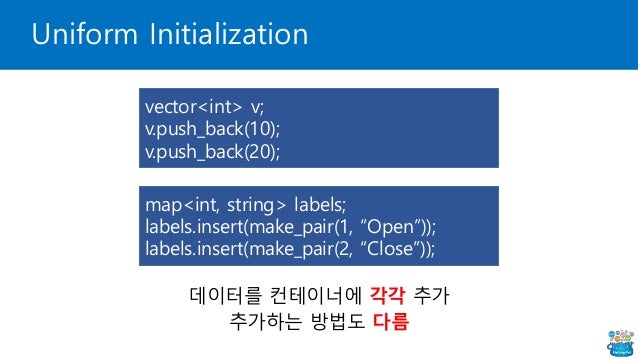
불어오는 변화의 바람, From c++98 to c++11, 14
Template were introduced in es6 to allow embed expressions inside a string. (c++14) class member.

ES6 Template Literal에서 특수문자 사용하기
Must begin with the underscore _: (c++14) class member template template argument deduction class template.

An introduction to C++ templates Sticky Bits Powered by
The suffixes that do not begin with the underscore are reserved for the literal operators.
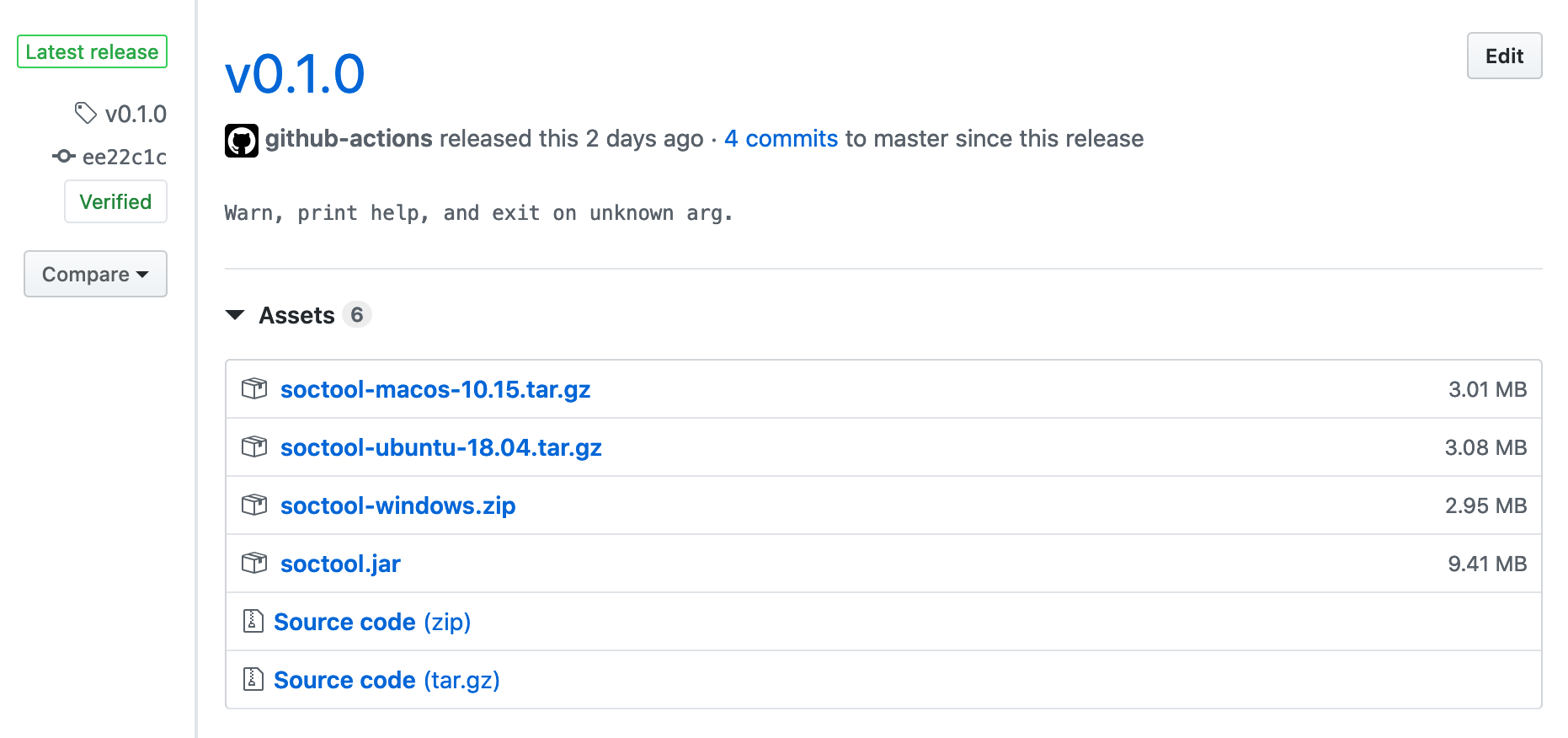
Scala to native code with GraalVM and GitHub Actions Kevin Hartman
There are six major categories of literals in c++: (c++14) class member template template argument.
A function template starts with the keyword template followed by template parameter(s) inside <> which is followed by the function definition. The suffixes that do not begin with the underscore are reserved for the literal operators provided by the standard library.: Instead of ‘’ or “” quotation marks they use the backticks (``). // literal operator template you can use raw literals to provide a. Must begin with the underscore _: The clang community is continually striving to improve c++ standards compliance between releases by submitting and tracking c++ defect reports and implementing resolutions as they become available. This is a reference of the core c++ language constructs. They offer a much better way of string interpolation and expressions can be embedded in a way like ${a+b}. (c++14) class member template template argument deduction class template argument deduction. Experimental work is also under way to implement c++ technical specifications that will help drive the future of the c++ programming language. Template t functionname(t parameter1, t parameter2,.) { // code } in the above code, t is a template argument that accepts different data types (int, float, etc.), and typename is a keyword. Starting in c++ 11, you can define your own literals based on these categories, to provide syntactic shortcuts for common idioms and increase type safety. There are six major categories of literals in c++: Template were introduced in es6 to allow embed expressions inside a string.
Template Were Introduced In Es6 To Allow Embed Expressions Inside A String.
(c++14) class member template template argument deduction class template argument deduction. They offer a much better way of string interpolation and expressions can be embedded in a way like ${a+b}. There are six major categories of literals in c++: // literal operator template you can use raw literals to provide a.
Instead Of ‘’ Or “” Quotation Marks They Use The Backticks (``).
Experimental Work Is Also Under Way To Implement C++ Technical Specifications That Will Help Drive The Future Of The C++ Programming Language.
A function template starts with the keyword template followed by template parameter(s) inside <> which is followed by the function definition. Template t functionname(t parameter1, t parameter2,.) { // code } in the above code, t is a template argument that accepts different data types (int, float, etc.), and typename is a keyword. The suffixes that do not begin with the underscore are reserved for the literal operators provided by the standard library.: