Function Template C++
Function objects provide two main advantages over a straight function call. A function template behaves like a function except that the template can have arguments of many different types. In this tutorial, we will learn about the c++ function and function expressions with the help of examples. Transfers the range [first, last) from list x into another list at some. Templates are powerful features of c++ which allows us to write generic programs.
Function Template C++ - Binary function object class whose call returns whether the its first argument compares less than the second (as returned by operator <). This member function allows the object to be used with the same syntax as a function call. A function is a block of code that performs a specific task. Templates in c++ is defined as a blueprint or formula for creating a generic class or a function. There are three kinds of templates: This method for creating a function. Templates are powerful features of c++ which allows us to write generic programs. If fn is a null pointer, a null member pointer or an empty function object, the object is initialized as an empty function. It returns its argument unchanged. In this tutorial, we will learn about function templates in c++ with the help of examples.
Function Template C++ Gallery

Aussie Home And Contents Insurance Gio Comprehensive Car Insurance
When the auto keyword is used as a parameter type in a normal function, the.

Memory Model of Objects in C++ · EOF
A function template behaves like a function except that the template can have arguments of.
Online Bus Ticket Reservation Using PHP/MySQL Free source code
Transfer all the elements of list x into another list at some position.; Passing array.

ROOTUsers Guide A4
Templates in c++ is defined as a blueprint or formula for creating a generic class.

Vector in c++ tutorial
It returns its argument unchanged. When a function name is overloaded with different jobs it.

VS Code Compile and Run in C++
If fn is a null pointer, a null member pointer or an empty function object,.

Function in C++
The c++ standard template library (stl) containers in c++ stl (standard template library) pair in.
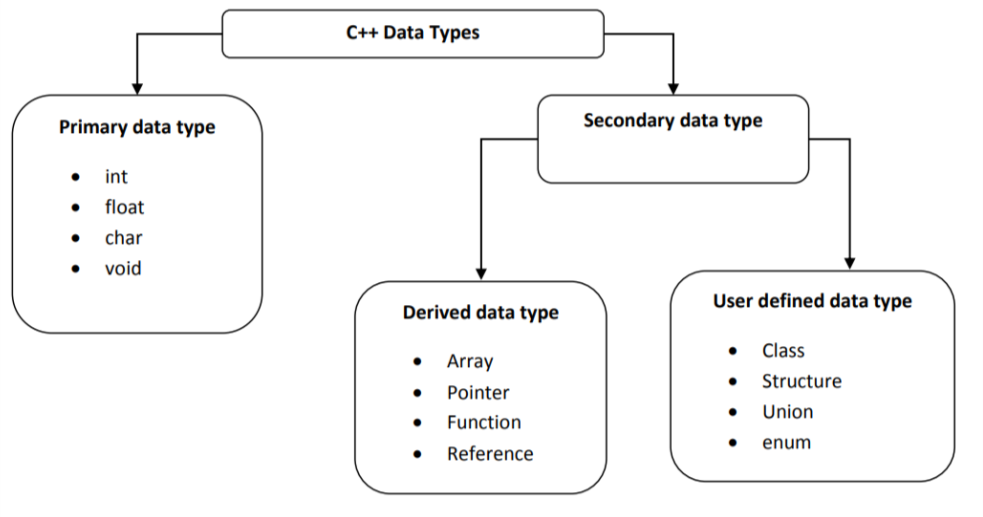
Basic of C++ Keywords,Identifiers,Constants and Data types Cybercry
Binary function object class whose call returns whether the its first argument compares less than.
Binary function object class whose call returns whether the its first argument compares less than the second (as returned by operator <). To create a function object, create a type and implement operator(), such as: Transfer all the elements of list x into another list at some position.; However, the operating system’s specific files like unistd.h for linux and windows.h for windows provide this functionality. In this tutorial, we will learn about function templates in c++ with the help of examples. We can create a single function to work with different data types by using a template. The splice() function can be used in three ways: There are three kinds of templates: If fn is a null pointer, a null member pointer or an empty function object, the object is initialized as an empty function. When a function name is overloaded with different jobs it is. When the auto keyword is used as a parameter type in a normal function, the compiler will automatically convert the function into a function template with each auto parameter becoming an independent template type parameter. Templates are powerful features of c++ which allows us to write generic programs. Generic programming is an approach to programming where generic types are used as parameters in algorithms to work for a variety of data types.in c++, a template is a straightforward yet effective tool. Transfer only the element pointed by i from list x into the list at some position.; Generically, function objects are instances of a class with member function operator() defined.
When We Use The Linux Or Unix Operating System, We Need To Include “Unistd.h” Header File In Our Program To Use The Sleep Function.
The first is that a function object can contain state. A function is a block of code that performs a specific task. Generically, function objects are instances of a class with member function operator() defined. Transfers the range [first, last) from list x into another list at some.
When The Auto Keyword Is Used As A Parameter Type In A Normal Function, The Compiler Will Automatically Convert The Function Into A Function Template With Each Auto Parameter Becoming An Independent Template Type Parameter.
C++20 Introduces A New Use Of The Auto Keyword:
This member function allows the object to be used with the same syntax as a function call. If fn is a null pointer, a null member pointer or an empty function object, the object is initialized as an empty function. The c++ standard template library (stl) containers in c++ stl (standard template library) pair in c++ standard template library (stl). In this tutorial, we will learn about the c++ function and function expressions with the help of examples.
It Returns Its Argument Unchanged.
This method for creating a function. The splice() function can be used in three ways: Passing array to a function in c++ programming. (since c++23) (function template) identity.