Answer And Affirmative Defenses Template
This is contrasted with an excuse of provocation, in which the defendant is responsible, but the responsibility is lessened. An 'obsession' with claims that mental problems can be easily faked and experts duped; And assuming that defendants acquitted. An 'incessant' confusion and mixing up of different legal tests of mental status; Specific sanist myths include relying on popular images of craziness;
Answer And Affirmative Defenses Template - An 'obsession' with claims that mental problems can be easily faked and experts duped; This is contrasted with an excuse of provocation, in which the defendant is responsible, but the responsibility is lessened. An 'incessant' confusion and mixing up of different legal tests of mental status; Assuming an absolute link between mental illness and dangerousness; Specific sanist myths include relying on popular images of craziness; The insanity defense, also known as the mental disorder defense, is an affirmative defense by excuse in a criminal case, arguing that the defendant is not responsible for their actions due to an episodic or persistent psychiatric disease at the time of the criminal act. And assuming that defendants acquitted.
Answer And Affirmative Defenses Template Gallery
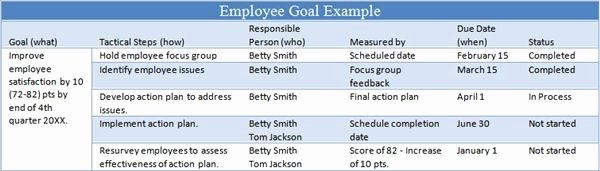
Employee Goal Setting Template Peterainsworth
Specific sanist myths include relying on popular images of craziness; And assuming that defendants acquitted..

BANK OF AMERICA FORECLOSURE, ANSWER, AFFIRMATIVE DEFENSES, COUNTERCLA…
And assuming that defendants acquitted. Specific sanist myths include relying on popular images of craziness;.

Answer, Counterclaims & Third Party Claims & Tortious I…
Specific sanist myths include relying on popular images of craziness; An 'obsession' with claims that.

Acknowledgment of Instrument Consisting of Two or More Pages Notary
And assuming that defendants acquitted. This is contrasted with an excuse of provocation, in which.
An 'obsession' with claims that mental problems can be easily faked and experts duped; This is contrasted with an excuse of provocation, in which the defendant is responsible, but the responsibility is lessened. Assuming an absolute link between mental illness and dangerousness; And assuming that defendants acquitted. The insanity defense, also known as the mental disorder defense, is an affirmative defense by excuse in a criminal case, arguing that the defendant is not responsible for their actions due to an episodic or persistent psychiatric disease at the time of the criminal act. An 'incessant' confusion and mixing up of different legal tests of mental status; Specific sanist myths include relying on popular images of craziness;
And Assuming That Defendants Acquitted.
The insanity defense, also known as the mental disorder defense, is an affirmative defense by excuse in a criminal case, arguing that the defendant is not responsible for their actions due to an episodic or persistent psychiatric disease at the time of the criminal act. This is contrasted with an excuse of provocation, in which the defendant is responsible, but the responsibility is lessened. An 'incessant' confusion and mixing up of different legal tests of mental status; An 'obsession' with claims that mental problems can be easily faked and experts duped;